
Fur coats have a long history dating back to prehistoric times when they were used for warmth and protection. As societies developed, fur became a symbol of wealth and status, worn by royalty and elites. The 17th and 18th centuries saw a boom in fur trade between European explorers and Native Americans, establishing fur as a valuable commodity.
In the 20th century, fur coats reached peak popularity, worn by Hollywood stars and socialites as a symbol of luxury and sophistication. However, recent decades have seen a decline in fur’s popularity due to animal rights concerns and environmental issues. Despite changing attitudes, fur coats remain a part of the fashion industry, with some designers continuing to incorporate fur into their collections.
The history of fur coats reflects changing fashion trends and societal values, from practical necessity to luxury item and now a subject of ethical debate.
Key Takeaways
- Fur coats have been a timeless fashion staple throughout history, dating back to ancient civilizations and continuing to be a symbol of luxury and status.
- The ethics of fur have sparked controversy, with concerns about animal cruelty and the environmental impact of fur production.
- There are various types of fur coats, including mink, fox, chinchilla, and sable, each with its own unique characteristics and appeal.
- When styling a fur coat, consider pairing it with sleek and simple pieces to let the coat take center stage, and opt for faux fur as a cruelty-free alternative.
- Proper care is essential for maintaining the luxurious look and feel of a fur coat, including regular cleaning, storage, and professional maintenance.
The Ethics of Fur: Exploring the Controversy Surrounding Luxurious Fur Coats
The Treatment of Animals in the Fur Industry
Animals such as minks, foxes, chinchillas, and rabbits are often kept in cramped and unsanitary conditions on fur farms before being killed for their pelts. The methods used to obtain fur are widely regarded as cruel, and many people believe that the industry’s treatment of animals is unacceptable.
The Rise of Fur-Free Fashion
In response to these concerns, many fashion designers and retailers have pledged to go fur-free, opting for alternative materials that mimic the look and feel of real fur without harming animals. This shift towards more ethical and sustainable practices has been driven by consumer demand and a growing awareness of animal welfare issues.
The Debate Over Ethical Fur
Despite the growing trend towards fur-free fashion, some argue that fur can be obtained ethically through sustainable and humane practices. Some fur farms claim to adhere to strict animal welfare standards and regulations, ensuring that the animals are treated humanely throughout their lives. However, many remain skeptical about the industry’s claims, and the controversy surrounding the ethics of fur continues to be a hotly debated topic within the fashion industry.
Types of Fur: From Mink to Fox, Discover the Different Varieties of Luxurious Fur Coats
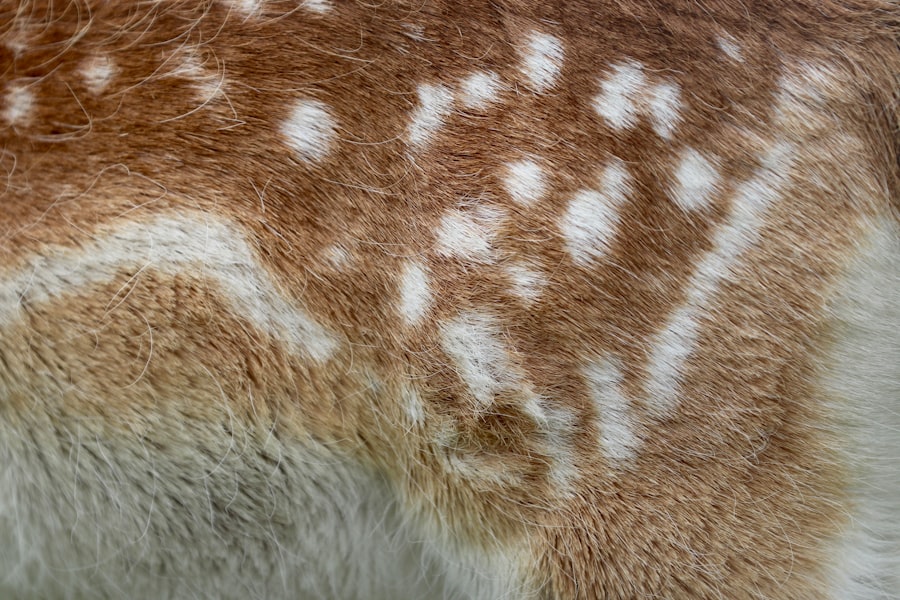
Fur coats come in a wide variety of styles and materials, each with its own unique characteristics and appeal. Mink fur is one of the most popular choices for fur coats due to its luxurious softness and lightweight feel. Mink fur is known for its durability and insulating properties, making it an ideal choice for cold weather garments.
Fox fur is another popular option for fur coats, prized for its long, silky hairs and natural color variations. Fox fur is often used to create statement pieces with bold patterns and textures. Chinchilla fur is highly sought after for its incredibly soft and velvety texture, making it one of the most luxurious and expensive types of fur.
Chinchilla fur is known for its delicate nature and exquisite sheen, making it a favorite among those who appreciate opulence and elegance. Rabbit fur is another common choice for fur coats, valued for its affordability and versatility. Rabbit fur is often used to create more casual and everyday wear garments due to its lightweight feel and plush texture.
In addition to these popular types of fur, there are also exotic furs such as sable, lynx, and beaver that are prized for their rarity and unique characteristics. Each type of fur offers its own distinct qualities and aesthetic appeal, allowing wearers to choose a fur coat that best suits their personal style and preferences.
How to Style a Fur Coat: Tips and Tricks for Rocking this Winter Fashion Statement
| Tip | Description |
|---|---|
| Choose the Right Fur | Select a fur coat that suits your style and body shape. |
| Layer with Neutral Colors | Pair your fur coat with neutral-colored clothing to create a balanced look. |
| Accessorize with Statement Pieces | Add bold accessories like chunky jewelry or a colorful scarf to elevate your outfit. |
| Experiment with Different Textures | Mix and match textures like leather, silk, or denim to create a visually interesting ensemble. |
| Choose the Right Footwear | Opt for stylish boots or heels that complement your fur coat. |
Styling a fur coat can be a fun and creative process that allows you to express your personal style while staying warm and fashionable during the winter months. One classic way to style a fur coat is to pair it with a simple monochromatic outfit to let the coat take center stage. A black or white fur coat can be effortlessly styled with a sleek all-black ensemble for a chic and sophisticated look.
For a more casual vibe, try layering your fur coat over a cozy sweater and jeans for an effortlessly stylish outfit that will keep you warm on chilly days. For those who want to make a bold fashion statement, consider opting for a brightly colored or patterned fur coat to add a pop of color and personality to your outfit. Pair a vibrant red or electric blue fur coat with neutral basics to let the coat stand out as the focal point of your look.
Alternatively, opt for a statement-making animal print fur coat to add an edgy and fashion-forward touch to your winter wardrobe. When it comes to accessories, consider adding some luxe touches to complement your fur coat. A pair of statement earrings or a chunky necklace can add an extra dose of glamour to your ensemble, while a sleek leather handbag or knee-high boots can elevate your look with a touch of sophistication.
Ultimately, styling a fur coat is all about embracing your individuality and having fun with fashion while staying warm and cozy during the winter season.
Fur Coat Care: Maintaining the Luxurious Look and Feel of Your Fur Coat
Proper care is essential for maintaining the luxurious look and feel of your fur coat. To keep your fur coat in pristine condition, it’s important to store it in a cool, dark place away from direct sunlight and heat sources. Avoid hanging your fur coat on a hanger for extended periods as this can cause the pelts to stretch out of shape.
Instead, opt for a broad-shouldered hanger to help maintain the coat’s natural silhouette. Regular brushing is also crucial for keeping your fur coat looking its best. Use a soft-bristled brush to gently remove any dirt or debris from the coat’s surface, taking care not to pull or tug at the delicate pelts.
If your fur coat becomes wet, allow it to air dry naturally in a well-ventilated area away from direct heat sources. Avoid using heat or blow dryers as this can cause the pelts to become brittle and lose their natural luster. In addition to regular maintenance, it’s important to have your fur coat professionally cleaned and conditioned at least once a year by a reputable furrier.
Professional cleaning helps to remove any accumulated dirt or oils from the pelts while conditioning helps to restore moisture and softness to the fur. By following these care tips, you can ensure that your fur coat remains in pristine condition for years to come.
Alternatives to Real Fur: Exploring Faux Fur Options for a Cruelty-Free Fashion Statement

The Evolution of Faux Fur
Faux fur has made significant strides in recent years, with many designers creating high-quality faux furs that closely mimic the look and feel of real fur. This has led to a wide range of stylish and cruelty-free options available in the market.
Affordability and Practicality
In addition to being animal-friendly, faux fur coats are also more affordable than their real fur counterparts, making them an accessible option for those on a budget. Moreover, faux fur coats are easier to care for, as they can typically be machine washed or dry cleaned without the need for special conditioning treatments.
A Compelling Choice for Fashion-Forward Consumers
Faux fur coats have become increasingly popular among fashion-forward consumers who want to make an ethical statement while still enjoying the luxurious look of fur. With advancements in technology and design, faux furs now offer an impressive level of quality and sophistication that rivals real furs, making them a compelling choice for those who want to embrace cruelty-free fashion.
Celebrities and Fur: A Look at How A-Listers Embrace the Luxurious Appeal of Fur Coats
Fur coats have long been associated with glamour and luxury, making them a favorite choice among celebrities and A-listers. Over the years, countless celebrities have been spotted wearing luxurious fur coats on red carpets, at premieres, and during their everyday outings. From classic mink stoles to statement-making fox furs, celebrities have embraced the timeless appeal of fur coats as an essential part of their wardrobes.
Celebrities such as Rihanna, Kim Kardashian, and Jennifer Lopez have been known for their love of luxurious furs, often seen wearing them as part of their high-fashion ensembles. These style icons have helped cement the status of fur coats as a symbol of opulence and sophistication within popular culture. However, there are also many celebrities who have chosen to go fur-free in support of animal rights causes, using their platform to advocate for ethical fashion choices.
The relationship between celebrities and fur coats continues to be a topic of fascination within the fashion industry. While some celebrities proudly flaunt their love for luxurious furs as part of their signature style, others have taken a stand against real furs in favor of cruelty-free alternatives. As public awareness of animal rights issues grows, it will be interesting to see how celebrities continue to shape the conversation around the use of furs in fashion.
If you’re a fan of fur coats, you may also be interested in learning about the latest trends in shiny outerwear. Check out this article to discover how to incorporate shiny fabrics into your winter wardrobe. Whether you’re into varsity jackets or Levi’s denim, there’s always a way to add a touch of glamour to your cold-weather style.
FAQs
What is a fur coat?
A fur coat is a garment made from the fur of animals, typically mammals such as mink, fox, rabbit, or chinchilla. The fur is used to create a warm and luxurious outerwear garment.
How are fur coats made?
Fur coats are made by first obtaining the fur from animals through trapping or farming. The fur is then processed and treated to preserve its quality and softness. Finally, the fur is sewn into a coat or jacket by skilled craftsmen.
Are fur coats ethical?
The ethicality of fur coats is a subject of debate. While some argue that fur production is cruel and unnecessary, others believe that fur can be sourced ethically from sustainable and humane fur farms.
How do you care for a fur coat?
Fur coats require special care to maintain their quality. They should be stored in a cool, dry place and periodically cleaned and conditioned by a professional furrier. It is important to avoid exposing fur coats to heat, moisture, and chemicals.
Are there alternatives to real fur coats?
Yes, there are many alternatives to real fur coats, including faux fur made from synthetic materials. Faux fur can closely resemble the look and feel of real fur, providing a cruelty-free option for those who prefer not to wear animal products.