
The parka has a rich history dating back centuries. The term “parka” originates from the Nenets language, spoken by indigenous people in northern Russia, and initially referred to a pullover-style garment made from animal skins. Designed for practicality and functionality, the parka provided protection against harsh Arctic climates.
In the early 20th century, explorers and adventurers popularized the parka due to its ability to withstand extreme weather conditions. During World War II, military forces worldwide adopted the parka for its durability and insulation properties. In the 1950s, the parka became associated with rebellion and counterculture, worn by artists, musicians, and activists.
The garment continued to evolve in subsequent decades, with designers and fashion houses incorporating it into their collections. Today, the parka is a staple in outerwear fashion, offering various styles and designs to suit different preferences. Its versatility and functionality have made it a timeless piece that transcends trends and remains popular for those seeking both style and practicality in outerwear.
The parka also holds cultural significance for many indigenous communities worldwide, representing their traditional knowledge of crafting protective garments. Inuit and other indigenous peoples have been making parkas for generations, using materials such as caribou or seal skin to create warm and durable outerwear. The parka’s history is closely linked to the resilience and ingenuity of these communities, and its importance extends beyond fashion.
As the parka continues to be appreciated for its timeless appeal, it is essential to acknowledge and honor its origins and the cultural heritage it represents.
Key Takeaways
- The parka has a rich history dating back to the indigenous peoples of the Arctic and has evolved into a popular fashion staple.
- When choosing a parka, consider your personal style and the climate you will be wearing it in to find the perfect fit.
- Layering with a parka is essential for staying warm and stylish, so experiment with different combinations of sweaters, scarves, and accessories.
- Styling tips for wearing a parka include pairing it with both casual and dressy outfits, and playing with different lengths and colors.
- Proper maintenance and care for your parka, such as regular cleaning and storage, will ensure its longevity and performance.
- The parka is a versatile piece that can be dressed up or down, making it a must-have for any wardrobe.
- Quality parkas can be found at outdoor retailers, department stores, and specialty fashion boutiques.
Choosing the Right Parka for Your Style
Climate Considerations
The climate in which you’ll be wearing the parka is a crucial factor to consider. If you live in a cold and snowy environment, look for a parka with heavy insulation and water-resistant materials. On the other hand, if you live in a milder climate, a lighter-weight parka with breathable fabrics may be more suitable.
Length, Color, and Design
The length of the parka is another important consideration. Longer parkas provide more coverage and warmth, while shorter styles offer more mobility and versatility. Think about the color and design of the parka as well. Classic colors like black, navy, and olive are timeless choices that can easily complement a variety of outfits. However, if you’re looking to make a statement, there are also parkas available in bold colors and patterns.
Features and Quality
The right parka for your style is one that not only suits your practical needs but also reflects your personal taste and aesthetic. Consider the features of the parka, such as adjustable hoods, multiple pockets, and removable linings. These details can enhance the functionality of the parka and make it more adaptable to different weather conditions. Additionally, pay attention to the quality of materials and construction, as a well-made parka will not only last longer but also provide better protection against the elements.
How to Layer with a Parka

Layering with a parka is essential for staying warm and comfortable in cold weather. The key to effective layering is to start with a moisture-wicking base layer that helps regulate body temperature and keep sweat away from your skin. This could be a lightweight thermal top or a moisture-wicking T-shirt.
On top of this base layer, add an insulating mid-layer such as a fleece or down jacket to provide extra warmth. The mid-layer should be breathable and lightweight so that it can easily fit under your parka without feeling bulky. Once you have your base and mid-layers sorted, it’s time to put on your parka.
Make sure to adjust the hood and cuffs for a snug fit to keep out cold drafts. If your parka has a removable lining, consider removing it on milder days to prevent overheating. When it comes to bottom layers, opt for thermal leggings or pants made from moisture-wicking materials to keep your legs warm and dry.
Finally, don’t forget about accessories like gloves, scarves, and hats to complete your layered look and provide extra protection against the cold. Layering with a parka allows you to adapt to changing weather conditions throughout the day. If you start to feel too warm, you can easily remove a layer or two to prevent overheating.
Conversely, if the temperature drops, you can add extra layers for more insulation. By mastering the art of layering with your parka, you can stay comfortable and prepared for whatever Mother Nature throws your way.
Styling Tips for Wearing a Parka
| Styling Tips for Wearing a Parka |
|---|
| 1. Pair with skinny jeans and ankle boots for a casual look |
| 2. Layer a chunky sweater underneath for added warmth |
| 3. Belt the parka at the waist to create a more defined silhouette |
| 4. Add a scarf and beanie for a cozy winter outfit |
| 5. Choose a parka in a neutral color for versatility |
Styling a parka can be both practical and fashionable. For a casual everyday look, pair your parka with jeans or leggings and a cozy sweater or hoodie. Opt for neutral colors like black or olive for a versatile and timeless ensemble.
To add some flair to your outfit, consider accessorizing with a patterned scarf or beanie that complements the color of your parka. For footwear, choose weather-appropriate boots or sneakers that provide comfort and traction in slippery conditions. If you’re looking to elevate your parka outfit for a more polished appearance, consider layering it over tailored trousers or a midi skirt with tights.
Add a structured top or blouse for a sophisticated touch, and finish off the look with ankle boots or loafers. A belt can also be used to cinch the waist of your parka for a more defined silhouette. When it comes to accessories, opt for minimalistic jewelry and a sleek handbag to complete your chic ensemble.
For outdoor activities such as hiking or camping, choose a performance-oriented parka with technical features like adjustable cuffs, ventilation zippers, and reinforced seams. Pair it with moisture-wicking base layers, durable pants, and sturdy hiking boots for maximum comfort and protection. Don’t forget to bring along a backpack with essentials like water bottles, snacks, and a first-aid kit.
Whether you’re running errands in the city or embarking on an outdoor adventure, there are countless ways to style your parka to suit your lifestyle and personal taste. By experimenting with different combinations of clothing and accessories, you can create looks that are both functional and stylish.
Parka Maintenance and Care
Proper maintenance and care are essential for keeping your parka in top condition for years to come. Before cleaning your parka, always check the care label for specific instructions from the manufacturer. Most parkas can be machine washed on a gentle cycle with mild detergent, but some may require hand washing or dry cleaning.
It’s important to remove any fur trim or detachable linings before washing to prevent damage. After washing, hang your parka to air dry in a well-ventilated area away from direct sunlight or heat sources. Avoid using fabric softeners or bleach as they can damage the fabric and insulation.
Once dry, fluff the insulation by gently shaking the parka or using a dryer on low heat with tennis balls to help restore its loft. Regularly inspect your parka for any signs of wear or damage such as tears, loose seams, or broken zippers. Repair any minor issues promptly to prevent them from worsening over time.
For waterproof or water-resistant parkas, consider reapplying a DWR (durable water repellent) treatment periodically to maintain its protective coating. When storing your parka during warmer months, make sure it’s clean and completely dry before placing it in a breathable garment bag or hanging it in a cool, dry closet. Avoid storing it in plastic bags or in damp areas as this can lead to mold and mildew growth.
By following these maintenance and care tips, you can prolong the life of your parka and ensure that it continues to provide reliable protection against the elements.
The Versatility of the Parka
Style Versatility
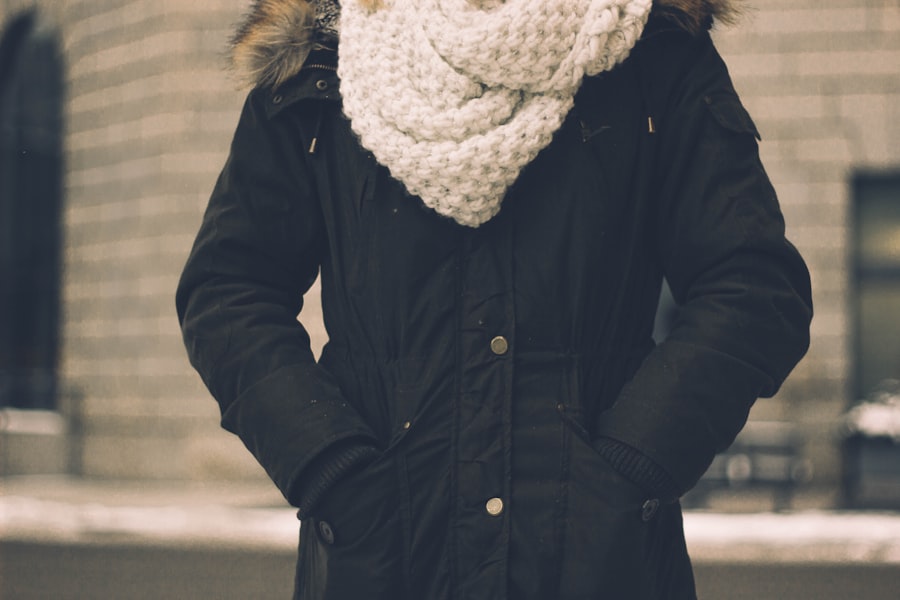
Whether you prefer a classic look or something more contemporary, there’s a parka style that suits every taste. From sleek urban designs to rugged outdoor performance models, there’s no shortage of options when it comes to choosing a parka that aligns with your lifestyle.
Functional Adaptability
In addition to its style versatility, the parka is also highly adaptable in terms of functionality. With features like adjustable hoods, multiple pockets, and removable linings, the parka can easily transition from everyday wear to outdoor activities without compromising on comfort or performance. Its water-resistant and insulating properties make it an ideal choice for staying warm and dry in cold and wet climates.
Self-Expression and Practicality
Furthermore, the parka’s versatility extends beyond fashion and practicality—it also serves as a canvas for self-expression. Whether you prefer minimalist designs or bold colors and patterns, there’s a parka out there that allows you to showcase your individuality while staying true to your personal style. From city streets to mountain trails, the parka’s versatility makes it an indispensable wardrobe staple for anyone seeking reliable protection against the elements without sacrificing style.
Where to Find Quality Parkas
When it comes to finding quality parkas, there are several options available both online and in physical stores. Many outdoor retailers carry a wide selection of performance-oriented parkas designed for activities such as hiking, skiing, and camping. These brands often prioritize technical features like waterproofing, insulation, and durability while offering various styles to cater to different preferences.
For those seeking fashion-forward parkas with an urban aesthetic, many clothing brands and department stores offer stylish options that combine form and function. Look for reputable brands known for their commitment to quality materials and craftsmanship when shopping for a fashion-focused parka. If you prefer sustainable and ethical options, consider exploring eco-friendly brands that prioritize environmentally conscious practices in their manufacturing processes.
These brands often use recycled materials or sustainable fabrics in their parkas while ensuring fair labor practices throughout their supply chain. In addition to retail stores, online marketplaces offer a convenient way to browse through an extensive range of parkas from various brands and compare prices before making a purchase. Keep an eye out for customer reviews and ratings to gauge the quality and performance of different parkas before making a decision.
Ultimately, finding quality parkas is about doing thorough research on brands and products while considering factors such as style preferences, functionality requirements, and ethical considerations. By taking these aspects into account, you can find a quality parka that meets your needs while aligning with your values. In conclusion, the history of the parka is rooted in functionality and resilience while evolving into a timeless fashion staple that continues to adapt to modern lifestyles.
Choosing the right parka involves considering factors such as climate suitability, design preferences, and practical features that enhance its functionality. Layering with a parka is essential for staying warm in cold weather while allowing flexibility in adapting to changing temperatures throughout the day. Styling tips for wearing a parka range from casual everyday looks to more polished ensembles tailored for different occasions.
Proper maintenance and care are crucial for prolonging the life of your parka while ensuring its continued protection against the elements. The versatility of the parka lies in its ability to cater to various style preferences while adapting seamlessly from urban environments to outdoor activities. When looking for quality parkas, exploring different retailers both online and in physical stores offers numerous options catering to different needs and preferences.
If you’re interested in learning more about the privacy policy of Parka, you can check out their privacy policy on their website. Additionally, if you’re in the market for a new winter coat, you might want to read a review of the Royal Matrix Women’s Winter Coats on Eskimo Parkas. And if you’re a fan of puffer jackets, you can find more information and styles on Eskimo Parkas website.
FAQs
What is a parka?
A parka is a type of heavy jacket with a hood, often lined with fur or faux fur, and designed to keep the wearer warm in cold and windy conditions.
What are the typical features of a parka?
Parkas typically have a longer length to provide extra warmth and protection, a hood with a fur or faux fur trim, and are often insulated with down or synthetic materials. They may also have multiple pockets, a drawstring waist, and a water-resistant or waterproof outer shell.
What are parkas commonly used for?
Parkas are commonly used for outdoor activities in cold and snowy conditions, such as hiking, skiing, and snowboarding. They are also popular for everyday winter wear in regions with cold climates.
What are some popular brands of parkas?
Some popular brands of parkas include Canada Goose, The North Face, Patagonia, Columbia, and Arc’teryx.
How should I care for my parka?
It is important to follow the care instructions provided by the manufacturer, but generally, parkas should be washed according to the specific guidelines for the material and insulation used. Fur-trimmed hoods should be detached before washing. It is also important to store parkas in a cool, dry place when not in use.